Thinking about seeing an Exercise Physiologist but not sure what to expect? Whether you’re managing a health condition, recovering from an injury, living with ongoing pain, or simply want to become more active, an Accredited Exercise Physiologist can help you exercise safely and confidently.
If you’ve never seen an Exercise Physiologist before, you may be wondering what happens during your first appointment and whether you need to be fit or have previous exercise experience.
At Ethos Health, our Accredited Exercise Physiologists (AEPs) take a personalised, evidence-based approach. Your first appointment is an opportunity to discuss your health, understand your goals, assess your current abilities and begin developing an exercise program that is right for you.
What is an Accredited Exercise Physiologist?
An Accredited Exercise Physiologist (AEP) is a university-qualified allied health professional who uses exercise as medicine to help people improve their health, manage chronic conditions, recover from injury or surgery, and improve their overall quality of life.
AEPs are specialists in evidence-based clinical exercise rehabilitation and work with people of all ages and fitness levels. This can include people managing conditions such as diabetes, cardiovascular disease, arthritis, chronic pain, neurological conditions or cancer, as well as people who simply want support to become stronger and more active.
The key difference is that exercise isn’t prescribed as a one-size-fits-all solution. Your Exercise Physiologist will consider your health, abilities, lifestyle and goals to develop a program that is safe, achievable and tailored to you.
What happens during my first Exercise Physiology appointment?
Your first appointment is primarily about getting to know you and understanding what you want to achieve.
Your Exercise Physiologist will talk with you about your medical history, current health, lifestyle, physical activity and any concerns or limitations you may have. You’ll also have the opportunity to discuss your goals and ask questions about how exercise may support your health.
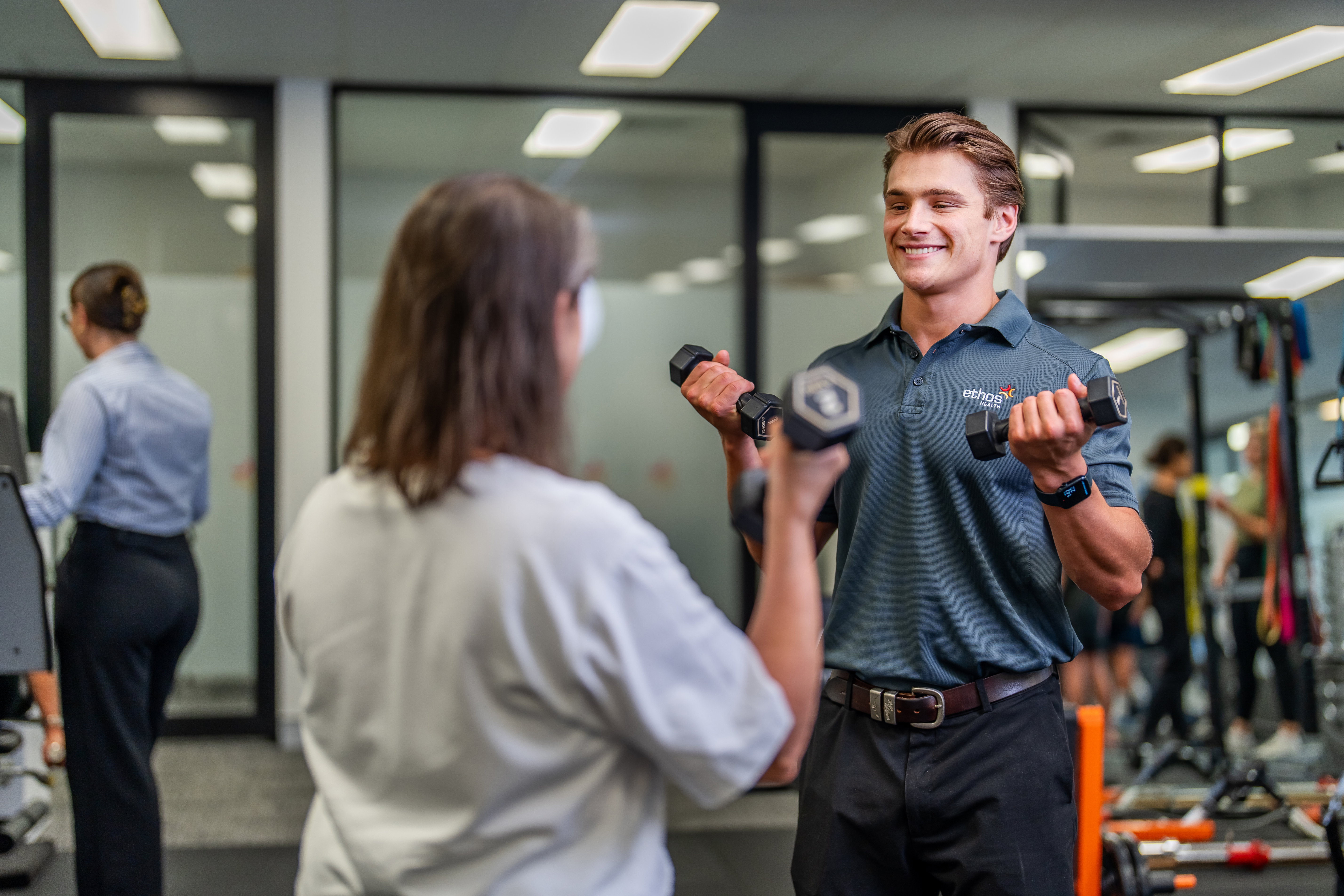
Depending on your condition and comfort level, your Exercise Physiologist may also complete some simple physical assessments. These help establish your current level of strength, mobility, balance, fitness or movement.
From there, your Exercise Physiologist can develop a personalised plan and may introduce some initial exercises to help you get started.
What will my Exercise Physiologist ask me about?
To develop an exercise program that is safe and appropriate for you, your Exercise Physiologist will ask about a range of factors that can influence your ability to exercise.
This may include:
- Your medical history and current health conditions
- Previous injuries or surgeries
- Current symptoms, pain or physical limitations
- Medications that may influence exercise
- Your daily activities, occupation and lifestyle
- Your current level of physical activity
- Your exercise experience
- Your personal goals and what you’d like to achieve
Understanding these factors helps your Exercise Physiologist look at the whole person, rather than simply focusing on a particular condition or injury.
This information allows them to identify the types of exercise that are appropriate for you, as well as any factors that may make it easier or harder to exercise regularly.
Will I need to complete a physical assessment?
In most cases, yes, although the assessments will always be appropriate for your abilities, health status and comfort level.
Your Exercise Physiologist may assess things such as:
- Strength
- Flexibility
- Joint movement
- Balance
- Posture
- Walking or movement patterns
- Cardiovascular fitness
- Functional movements
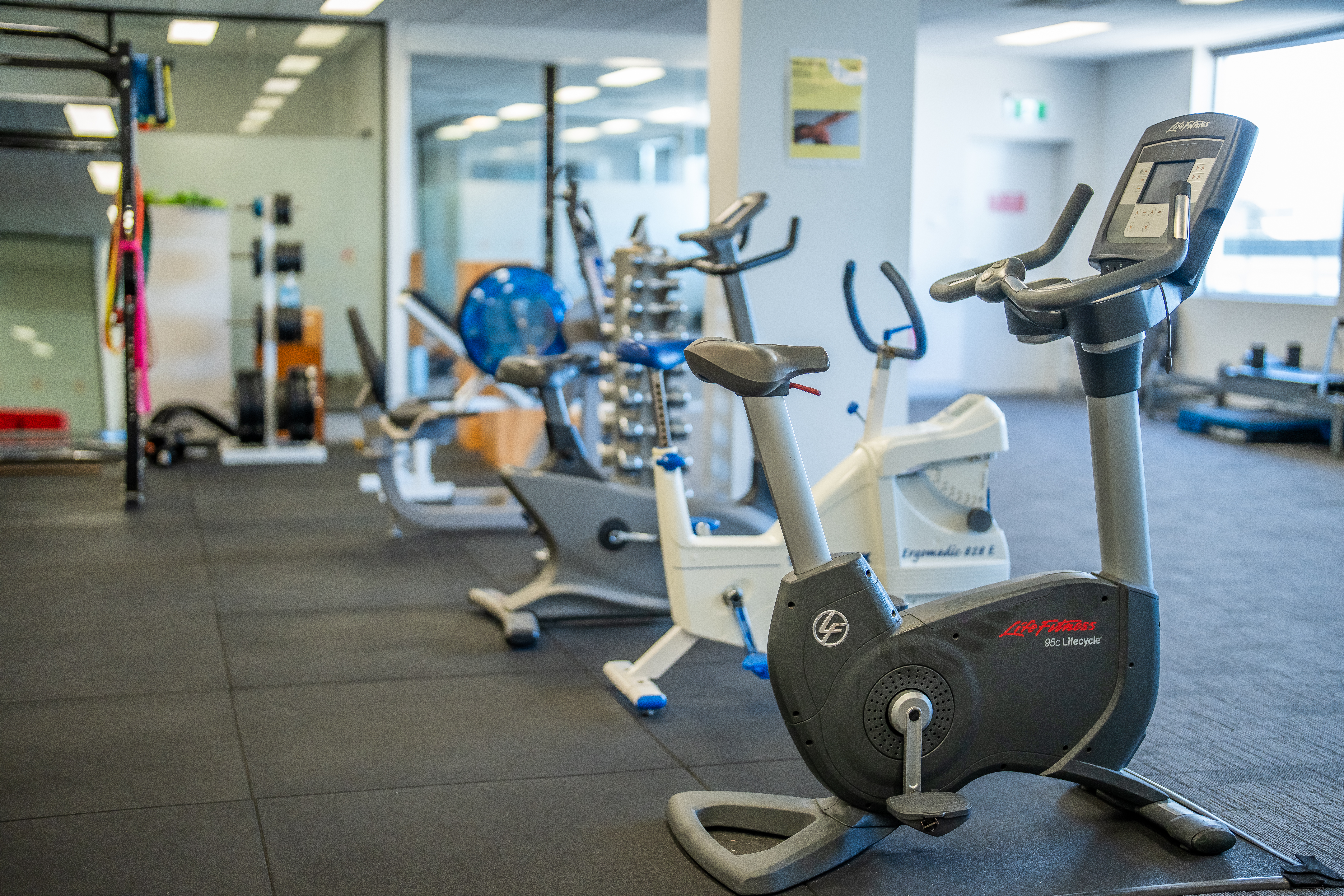
You may be asked to perform simple movements, such as standing up from a chair, walking a short distance, or completing light strength or mobility exercises.
The aim isn’t to push you to your limits or put you through an intense workout. Instead, these assessments help establish a starting point so your Exercise Physiologist can prescribe appropriate exercise and track your progress over time.
Do I need to prepare anything before my first appointment?
It’s a good idea to wear comfortable clothing and supportive footwear that allows you to move easily.
If you have relevant medical information, it can also be helpful to bring this with you. This may include:
- Referral letters
- Specialist letters
- Relevant imaging or test results
- A list of your current medications
- Other information about your health or treatment
If you have been asked to complete clinic paperwork before your appointment, completing this in advance can help save time. If you haven’t had a chance to do so, the clinic team can assist you when you arrive.
Most importantly, come prepared to have a conversation about your health, your concerns, and what you’d like to achieve.
Do I need to be fit or have exercise experience?
Not at all.
In fact, many people who see an Exercise Physiologist haven’t exercised for years or are completely new to exercise.
You don’t need to be athletic, strong or know where to start. Your Exercise Physiologist’s role is to meet you where you’re at and help you progress from there.
Whether you’re recovering from an injury, managing a chronic health condition, living with pain, concerned about falls, or simply want to improve your health and fitness, your program will be designed around your current abilities.
Exercise can be progressed gradually as your strength, confidence and fitness improve.
How is my exercise program personalised?
Every exercise program is developed using the information gathered during your initial assessment.
Your Exercise Physiologist will consider your:
- Medical history and health conditions
- Current symptoms and physical limitations
- Physical assessment results
- Current fitness and activity levels
- Personal goals
- Lifestyle and daily routine
- Exercise preferences
- Barriers that may make exercise difficult
From there, exercises are selected and prescribed based on current evidence and what is safe and realistic for you.
Your program isn’t designed to be a short-term fix. As your strength, confidence and health change, your Exercise Physiologist can review and adjust your program to continue supporting your goals.
What happens after my first appointment?
Following your initial assessment, your Exercise Physiologist will work with you through regular follow-up appointments to monitor your progress and make adjustments to your exercise program as needed.
These appointments may involve progressing your exercises, addressing any challenges you’ve experienced, reviewing your goals, and providing education to help you understand how exercise can support your health.
The aim is to help you build the knowledge and confidence to exercise safely and, where appropriate, become more independent with your exercise routine.
At Ethos Health, our Exercise Physiologists take a long-term approach, supporting you as your health, abilities and goals evolve.
Common concerns about seeing an Exercise Physiologist
If you’ve never seen an Exercise Physiologist before, it’s completely normal to feel unsure about what the appointment will involve.
One common misconception is that you need to be fit before you come. Another is that your first appointment will involve an intense workout.
Neither is the case.
Your first appointment is about understanding you and establishing an appropriate starting point. Any physical assessments or exercises will be adapted to your health, abilities, and comfort level.
You also won’t be judged for your current fitness level or exercise history. Whether you haven’t exercised in years or you’re already active but need guidance due to a health condition or injury, your Exercise Physiologist will meet you where you’re at.
The focus is on helping you move safely, build confidence, and make progress at a pace that feels achievable.
Starting your exercise journey with Ethos Health
Your first Exercise Physiology appointment is about more than exercise. It’s about understanding where you’re starting from, where you want to go and finding a safe and sustainable way to get there.