Dietary fibre is one of the most important yet often under-consumed components of a healthy diet. It plays a vital role in supporting digestion, maintaining metabolic and bowel health, and protecting against a range of chronic diseases. Despite this, many people—particularly in Australia—do not meet the recommended intake of 25–30g of fibre per day. Understanding why fibre matters starts with understanding its relationship with gut health.
What do you mean by gut health?
Gut health refers to the community of bacteria living inside our bodies, particularly in the colon or large bowel. There are more than 3,000 bacterial species in the gastrointestinal (GI) tract, collectively known as the “gut microbiota”.
Within this ecosystem, some bacteria produce beneficial molecules that support health, while others can be harmful if the balance is disrupted. Importantly, the types of molecules produced by the gut microbiota are strongly influenced by the foods we eat, much like how a thriving rainforest thrives on nutrients, sunshine and water.
This is where dietary fibre becomes essential.

Fibre and the gut microbiome
Carbohydrates are the gut microbiome’s preferred energy source, especially dietary fibre. These are often referred to as Microbiota Accessible Carbohydrates (MACs), and they include:
- Soluble fibre
- Insoluble fibre
- Resistant starch
- Prebiotics
Many of the health benefits of fibre come from its strong relationship with the gut microbiome. In the colon, these carbohydrates are fermented by gut bacteria, producing beneficial molecules such as short-chain fatty acids. These compounds help reduce inflammation, support gut lining integrity, and influence overall metabolic health.
A diverse and well-fed microbiome is associated with better overall health outcomes and reduced risk of disease.
What other roles does fibre play?
Dietary fibre plays a vital role in maintaining overall health in several ways:
- Digestive health: Fibre helps add bulk to stool and supports regular bowel movements, reducing constipation.
- Metabolic health: Fibre can help lower cholesterol levels and assist in regulating blood sugar levels. High (at least 25-29g/day) fibre intake compared to low was associated with a 15-30% reduced risk of death from any cause; coronary heart disease and stroke incidence, as well as modest reductions in BMI, LDL cholesterol, triglycerides and systolic blood pressure.
- Gut microbiome support: Fibre feeds beneficial gut bacteria, improving microbiome diversity and balance.
- Immune function and inflammation: A healthy gut microbiome is linked to improved immune response and reduced systemic inflammation.
Research has shown that low fibre intake and poor gut health are associated with a range of chronic conditions, including obesity, type 2 diabetes, cardiovascular disease, colorectal cancer, irritable bowel syndrome (IBS), inflammatory bowel disease (IBD), allergies, and even neurological disorders.
In short, fibre is not just about digestion—it plays a far broader role in long-term health.
How to improve fibre intake
Despite its importance, many people struggle to include enough fibre in their daily diet. The good news is that small, consistent changes can make a big difference.
Start your day with a high-fibre breakfast
Choose cereals that contain at least 4g of fibre per serve, or add oats, psyllium husk, chia seeds or fruit to your breakfast.
Switch to wholegrains
Replace refined bread, rice and pasta with wholegrain alternatives to increase fibre intake without major diet changes.
Include legumes regularly
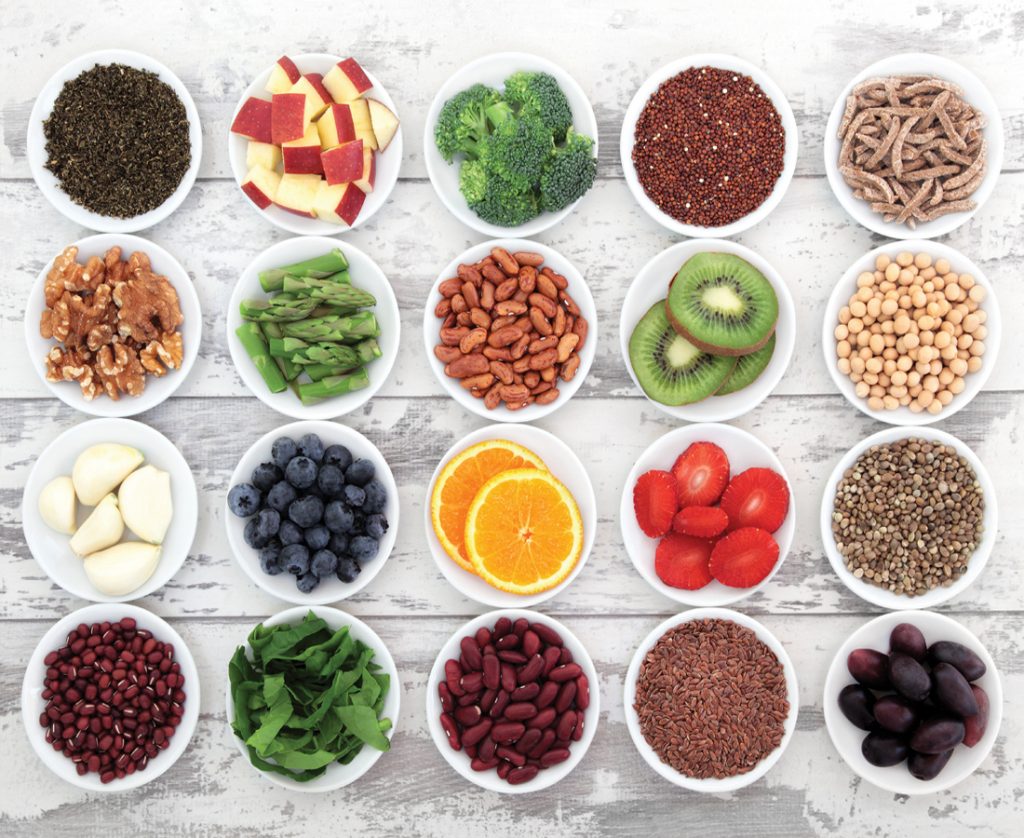
Lentils, chickpeas, red kidney beans, black beans and bean mixes are excellent sources of both soluble fibre and resistant starch. They can be added to salads, soups and curries or mixed into mince dishes.
Snack smarter
Replace processed snacks with fibre-rich options like nuts, roast chickpeas, seeds, fresh fruit or vegetable sticks.
Eat more vegetables daily
Aim for at least five servings of vegetables each day, using fresh, frozen or canned varieties to make this achievable.
Stay hydrated
Increasing fibre intake without adequate fluid can lead to bloating or discomfort. Aim for around 8–10 glasses of water daily to support digestion, bowel function and general wellbeing.
To sum up
Fibre is a simple but powerful nutrient that supports gut and bowel health, improves digestion and reduces the risk of many chronic diseases. By focusing on a variety of plant-based foods and making small dietary changes, it is possible to significantly improve fibre intake and, in turn, overall health.
Interested in learning more? Book a consult with Rowan to discuss how you can support your Gut Health today!
References:
Source: Reynolds et al. Carbohydrate quality and human health: a series of systematic reviews and meta-analyses. Lancet 2019
More than 3,000 species
https://www.nature.com/articles/s41522-024-00580-y