

Hearing protection is only effective when it fits correctly. Ethos Health provides individual hearing protection fit testing to assess how well earplugs and earmuffs reduce hazardous workplace noise and ensure workers are receiving the protection they need.
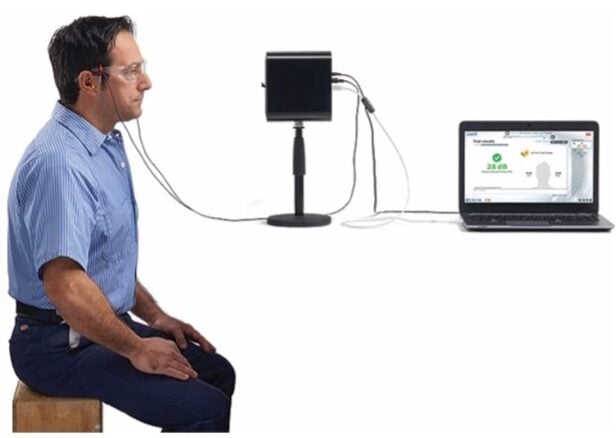
Using the 3M E-A-R Fit testing system, we measure the actual level of noise reduction achieved by each worker’s hearing protection and provide a Personal Attenuation Rating (PAR).
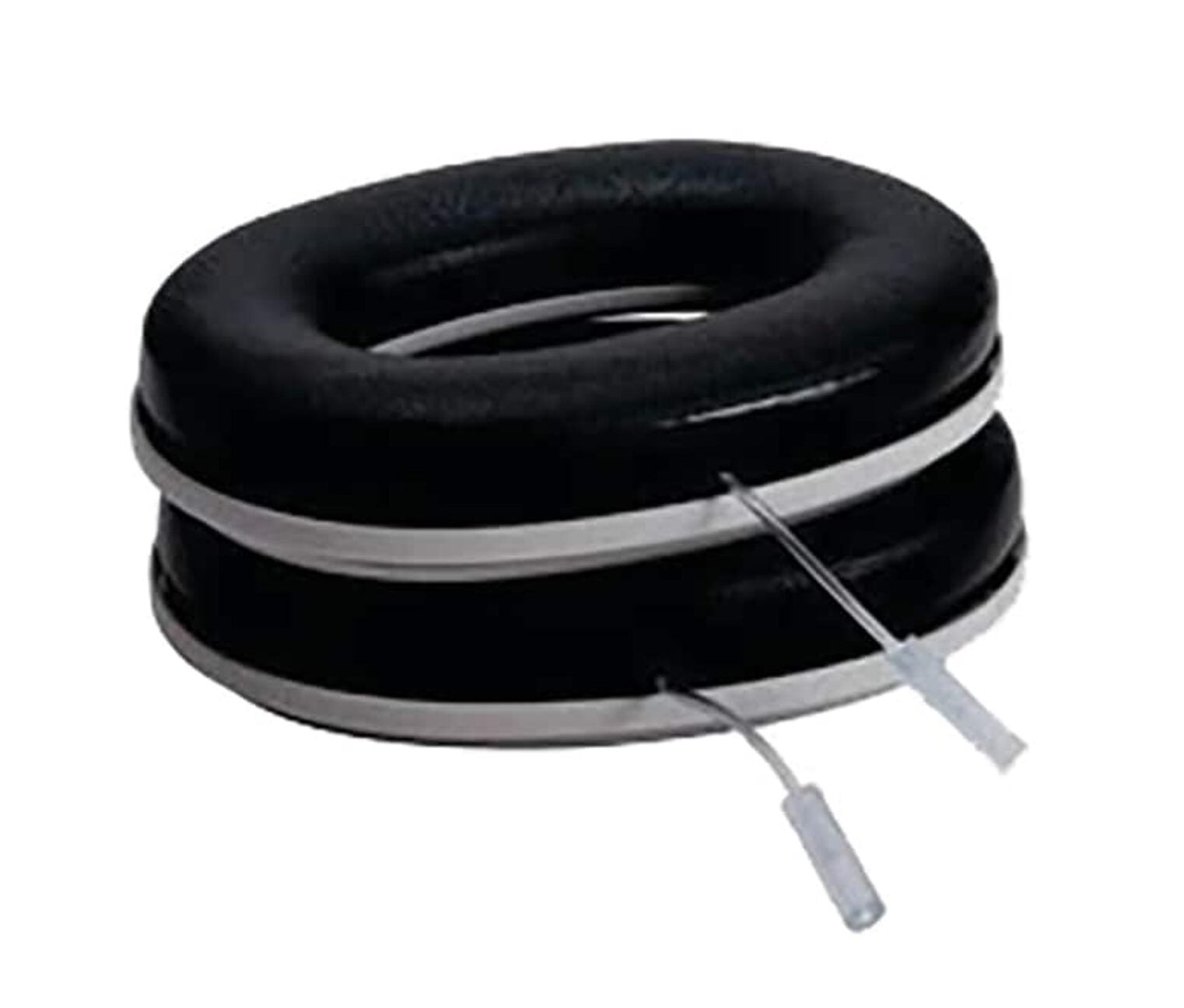
Ethos Health conducts hearing protection fit testing using specialised test versions of 3M hearing protection fitted with miniature probes.
The system measures sound levels both inside and outside the hearing protection across seven standard frequencies, providing an accurate assessment of how effectively the device is performing for the individual wearer.
Every worker’s ears are different. A hearing protector that works well for one person may not provide the same level of protection for another. Fit testing removes the guesswork by confirming whether the selected PPE is suitable for the wearer and their workplace environment.
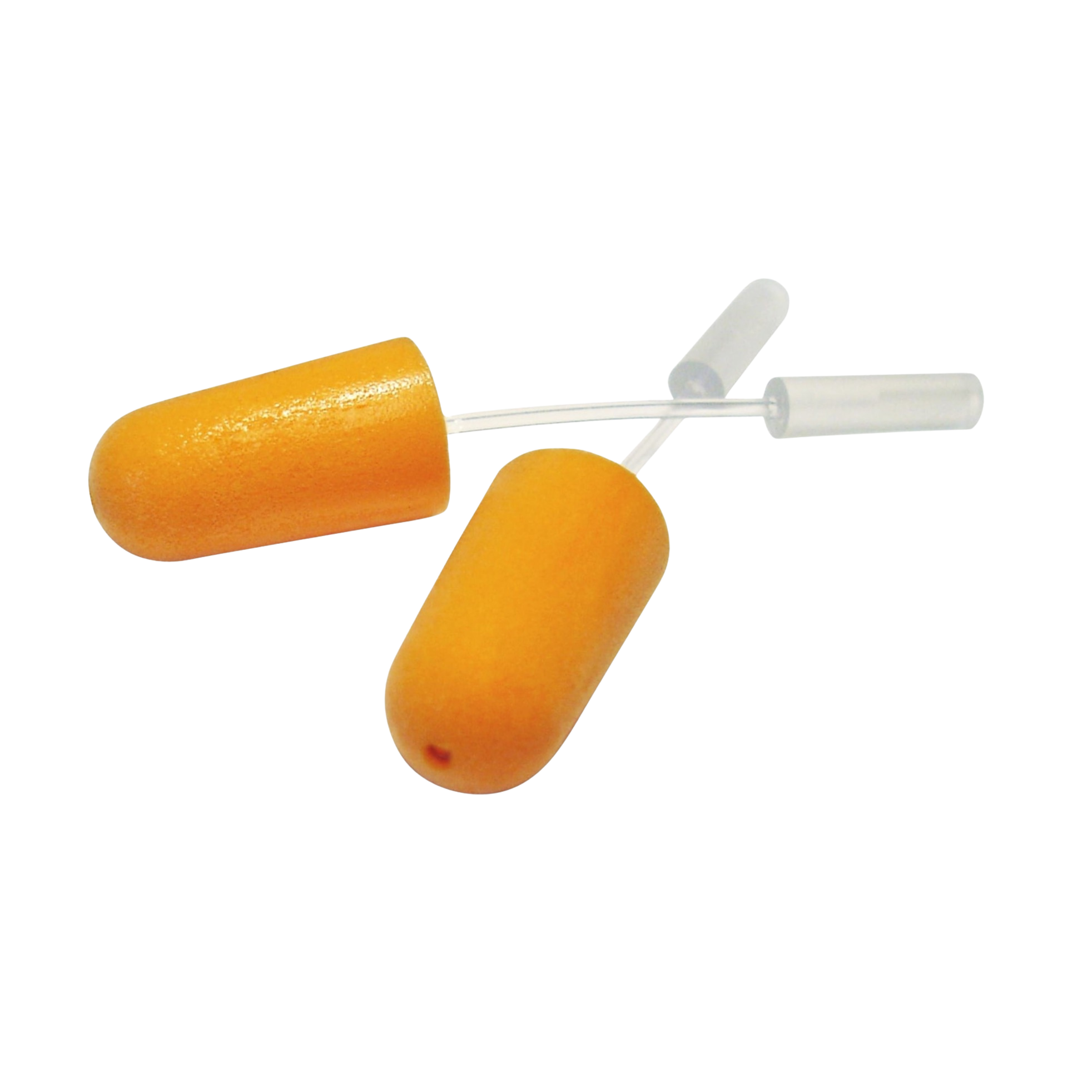
Your test generates a Personal Attenuation Rating (PAR), which represents the actual decibel (dB) reduction you receive when wearing the tested hearing protection.
For example:
If your workplace noise level is 95 dB and your PAR is 25 dB, the noise reaching your inner ear is reduced to 70 dB.
The goal is to ensure noise exposure is reduced to a safe listening level, generally below 80–85 dB.
Your results will identify whether your hearing protection is:
The hearing protection reduces noise exposure to a safe level and is appropriately matched to your workplace environment.
The hearing protection is not providing enough attenuation for the noise level present. We may need to review fitment, check correct use, or consider an alternative hearing protection option.
The hearing protection reduces noise too much, which can create other workplace risks by making it harder to hear alarms, warning signals, or important communication.
The right level of protection is not always the maximum level of protection—it is the level that keeps workers safe while allowing them to remain aware of their surroundings.
Ethos Health uses the 3M E-A-R Fit testing system to provide quick and reliable individual hearing protection assessments.
The process includes:
The setup process takes approximately five minutes, with the actual fit test completed in around 10 seconds.
Hearing protection fit testing measures how effectively a worker’s earplugs or earmuffs reduce noise exposure based on their individual fit.
Hearing protection performance depends on correct fit, correct use, and the individual wearer. Fit testing confirms whether the selected PPE is providing the expected level of protection.
A PAR is the actual amount of noise reduction, measured in decibels, achieved by an individual while wearing their tested hearing protection.
Ethos Health uses the 3M E-A-R Fit system, which tests compatible 3M hearing protection products.
The worker setup takes approximately five minutes, and the actual fit test takes around 10 seconds.
Yes. Over-protection can make it difficult for workers to hear important workplace sounds such as alarms, signals, and communication. The aim is to achieve the right level of protection for the environment.

