We provide quantitative respirator fit testing to help organisations ensure workers are protected when wearing tight-fitting respiratory protective equipment.
A correctly fitted respirator is critical when workers are exposed to airborne contaminants such as dust, hazardous particulates, mould, fumes and viruses. Ethos Health conducts gold-standard quantitative fit testing to assess how effectively a respirator seals to an individual’s face and provides confidence that respiratory protection is working as intended.
Gold standard quantitative testing
Workplace-focused expertise
Clear reporting and insights
Support beyond testing
What we do…
Ethos Health delivers quantitative respirator fit testing using specialised equipment to measure the seal between a worker’s face and their respirator.
Unlike qualitative testing, quantitative fit testing provides an objective Fit Factor (FF) score by measuring the number of particles inside and outside the respirator. This provides a clear indication of how effectively the respirator is protecting the wearer.
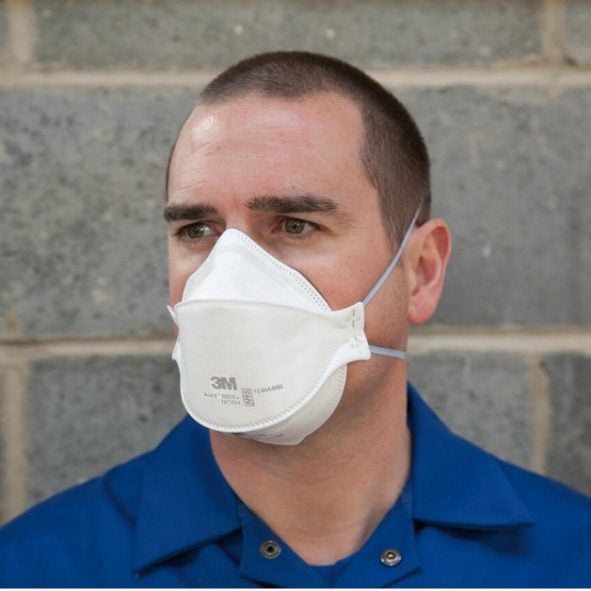
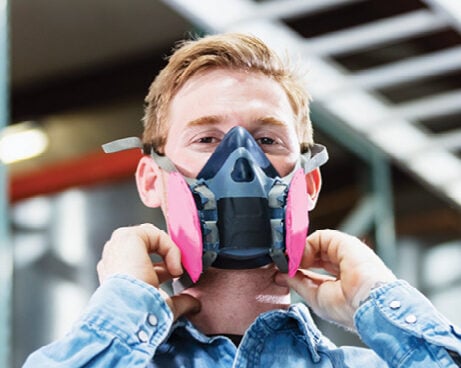
Our testing supports a range of tight-fitting respiratory equipment, including:
Disposable particulate respirators, such as P2 and N95 masks
Half-face respirators
A Fit Factor represents how much cleaner the air is inside the respirator compared to the surrounding environment. For example, a Fit Factor of 100 means the air inside the respirator is 100 times cleaner than the air outside.
Pass thresholds include:
Disposable respirators (P2/N95): minimum Fit Factor of 100
Half-face respirators: minimum Fit Factor of 500
If a respirator does not meet the required threshold, we help identify the cause and support the selection of an appropriate make, model, or size.
How we do it...
Our experienced team conducts fit testing using validated quantitative methods to provide reliable, repeatable results.
During testing, workers are assessed while performing a series of movements and breathing exercises designed to replicate workplace conditions. The equipment measures any leakage around the respirator seal and calculates the individual’s Fit Factor.
Where a respirator does not achieve a passing result, we provide guidance on improving fit, including reviewing respirator selection, positioning, and sizing.
Understanding fit and seal
A failed fit test is most commonly caused by a break in the seal between the respirator and the wearer’s face.
Common factors that can impact fit include:
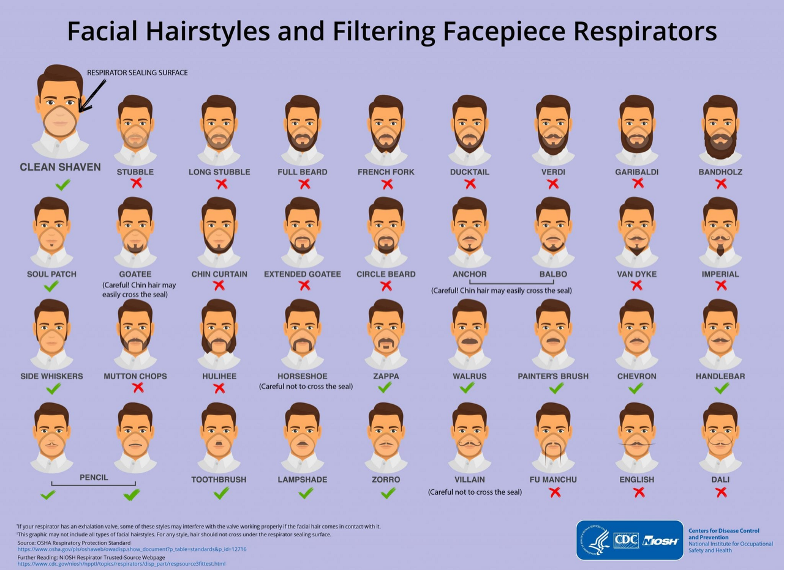
Facial hair
Beards, stubble, and facial hair that sits within the sealing area can prevent a respirator from forming an effective seal. Workers should be clean-shaven in the respirator sealing area before testing.
Incorrect fitment
Respirators must be positioned and adjusted according to the manufacturer’s instructions. Even small changes in placement or strap tension can affect protection.
Changes to face shape
Weight fluctuations, dental work, or other changes to facial structure can alter how a previously successful respirator fit performs over time.
How well do you know your mo?
Many facial hairstyles are incompatible with effective respiratory protection. A walrus is fine but mutton chops are a no-go!
Frequently asked questions
What is respirator fit testing?
Respirator fit testing confirms whether a tight-fitting respirator creates an effective seal against an individual worker’s face. It ensures the respirator can provide the intended level of protection.
What is quantitative fit testing?
Quantitative fit testing uses specialised equipment to measure particle leakage and calculate a Fit Factor score. This provides an objective assessment of respirator performance.
How often should workers complete fit testing?
Fit testing should be completed before a worker uses a tight-fitting respirator and whenever there are changes that may affect the seal, such as changing respirator type, significant weight change, or facial changes.
Can a respirator fail because it is the wrong size?
Yes. A poor result may indicate that a different respirator model, brand, or size is required to achieve an effective seal.
Can workers wear facial hair during a fit test?
Facial hair that interferes with the respirator sealing surface can prevent a valid fit. Workers should follow workplace requirements and manufacturer guidance regarding facial hair.